
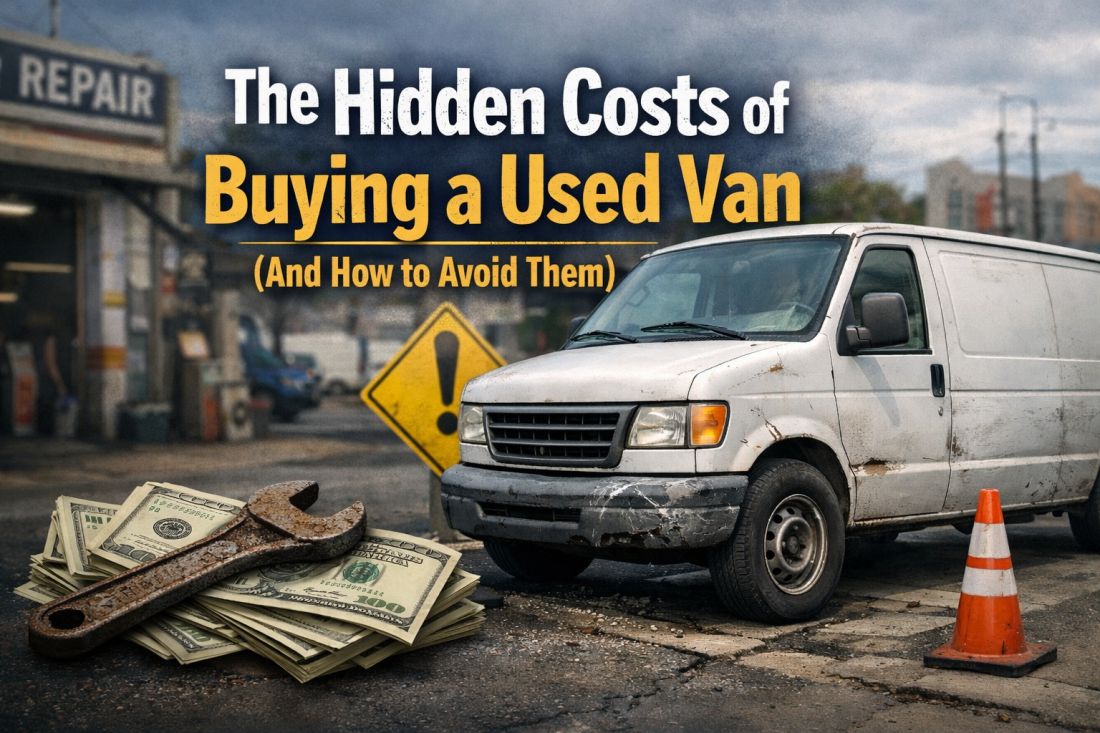
The Hidden Costs of Buying a Used Van (And How to Avoid Them)
When buying a used van, the sticker price is just the beginning. Beneath that tempting figure lies a range of hidden costs—maintenance surprises, tax considerations, insurance quirks, and depreciation traps that can catch even seasoned buyers off guard. In this article, we dig deep into what truly affects the total cost of ownership and offer practical guidance on how to avoid those costly mistakes. We cover everything from vehicle history checks and service records, to understanding emission zone charges and how insurance premium factors change depending on your use. Plus, we link to reliable options across trusted van brands and dealer listings you can explore right now.
Why the Cheapest Van Isn’t Always the Best Deal
Let’s start with a truth most discover too late: a second-hand van with a rock-bottom purchase price often ends up costing you more over time.
The illusion of a bargain usually vanishes with the first unexpected garage visit. A budget van might seem like a smart buy—until that skipped MOT history reveals a brake issue, or rust hidden under a resprayed body panel starts eating into the chassis.
“It’s not just what you pay today—it’s what you’ll keep paying tomorrow.”
And that’s before you factor in van insurance, fuel costs, road tax, or expensive parts for brands with limited availability.
Spotting the Real Value: What to Look for When Buying
If you're considering a used van, shift your thinking from cost to condition and suitability. Here’s what to examine before you shake hands on any deal:
1. Start With a Full Vehicle History Check
Check everything: MOT records, service history, and the VIN. If a van has an inconsistent record, missing stamps, or multiple gaps in ownership, that’s a red flag. You can verify the V5C log book against the VIN number to ensure you're not looking at a clone.
2. Inspect the Bodywork & Key Mechanical Components
Surface dents or rust patches on wheel arches and door sills may be cosmetic—or signs of deeper structural issues. Look under the van, near joints, and wheel wells. Then move onto the suspension, tyres, brakes, and dashboard indicators for any warning signs.
Check tyre tread depth—worn tyres may indicate neglect.
Watch out for suspension squeaks or lurching during a test drive.
Ensure all electrics (lights, windows, stereo) are fully functional.
If you're open to variety, browsing through options like Volkswagen vans or Citroen vans can give you better leverage for comparing wear and tear against market pricing trends.
The Silent Drains on Your Budget: Hidden Running Costs
Many new owners forget to budget beyond the driveway. After buying your van, the real costs begin:
1. Insurance: It’s More Than Just a Policy
Van insurance is often higher than car policies—especially if you’re using the van for commercial purposes. Things like vehicle size, mileage, driver age, and even payload capacity can affect your insurance premium factors. Compare multiple insurers and ensure you factor in whether you’ll qualify for a no-claims bonus.
2. Road Tax & ULEZ Compliance
Every van in the UK must be taxed annually—and if your van doesn't meet current ULEZ or Clean Air Zone requirements, expect to pay extra charges in many cities. If you're regularly driving through London or Birmingham, ULEZ compliance is a must. Models like those from Peugeot and Renault often fare better in this regard.
3. Fuel Efficiency & Mechanical Wear
Even a modest difference in engine power, transmission performance, or exhaust system health (e.g., DPF or catalytic converter) can result in higher monthly fuel costs. That “deal” might come with an inefficient diesel engine guzzling cash at every fill-up.
Buying smart isn’t just about upfront savings—it’s about monthly survival.
Dealer vs Private Sale: Where Hidden Costs Multiply
One of the biggest early decisions is dealer vs private sale, and it has long?term cost implications.
Buying Privately
Private sellers can appear cheaper on the surface, but that lower upfront cost often comes without:
Warranty or aftersales support
Legal protections
Recourse if faults emerge
If a gearbox fails or an emissions fault appears weeks later, you’re likely footing the entire bill.
Buying From a Dealer
A reputable dealer adds value beyond price:
Vehicles are inspected and prepared
Paperwork (V5C, VIN, MOT history) is verified
Consumer protection laws apply
For example, established dealerships offering brands like Mercedes?Benz vans or Ford vans tend to have clearer service records and stronger model reliability ratings, reducing the likelihood of expensive surprises.
Paying slightly more upfront can dramatically lower your long?term maintenance and repair costs.
Negotiation: Reduce Cost Without Cutting Corners
Price negotiation isn’t just about shaving money off—it’s about offsetting future expenses.
Before negotiating, do your homework:
Compare similar vans by age, mileage, and spec
Check current market pricing trends
Identify upcoming costs (tyres, brakes, servicing)
If a van needs new tyres or is nearing a major service interval, those are legitimate leverage points. Even if the seller won’t reduce the price, they may include remedial work—saving you money later.
Finance, Depreciation & the Bigger Picture
Many buyers focus solely on monthly payments and forget the wider financial impact.
Finance & Leasing Costs
Using dealer finance can help spread costs, but always factor in interest and fees. Transparent finance options—like those outlined on the van finance page—make it easier to compare real affordability rather than headline monthly figures.
Depreciation & Resale Value
All vans depreciate, but not equally. A well?maintained van with a full service history, sensible mileage, and strong brand reputation will follow a gentler depreciation curve and retain better resale value.
That matters whether you plan to:
Trade in later
Sell privately
Upgrade your fleet
Ignoring depreciation is one of the most expensive long?term mistakes buyers make.
The Inspection Checklist That Saves Thousands
A proper pre?purchase inspection is one of the best investments you can make. Whether done personally or by a third party, ensure it covers:
Engine condition & transmission performance
Suspension and steering response
Braking efficiency
Electrics and dashboard warnings
Exhaust and emissions system health (DPF, catalytic converter)
This checklist helps uncover issues that won’t always show up during a short test drive—but can cost thousands over time.
Matching the Van to the Job (Not the Other Way Around)
Finally, avoid paying for capability you don’t need—or lacking what you do.
Choose the right payload capacity
Match engine power to typical load and distance
Consider urban vs motorway driving for fuel efficiency
Check ULEZ / CAZ compliance if operating in cities
A van that’s poorly suited to its role will cost more in fuel, insurance, and wear—quietly draining your budget month after month.
Total Cost of Ownership: The Van Buyer’s Reality Check
Forget the asking price for a moment.
The smartest buyers think in terms of total cost of ownership (TCO)—a full picture of what the van will cost you across its lifespan. TCO includes:
Initial purchase or finance
Road tax and licensing
Van insurance
Fuel usage
Maintenance and repairs
Parking costs and tolls
Depreciation losses
Even something like opting for a Renault over a lesser?known make could reduce parts and repair costs thanks to better parts availability and higher resale value.
A van that’s £1,000 cheaper upfront could cost you £3,000 more across three years if it's inefficient or unreliable. Use this lens when comparing options—it’ll quickly show you which “bargains” aren’t so bargain?friendly.
Red Flags You Should Never Ignore
There are certain issues that, if found, should prompt immediate caution or a walkaway:
1. Inconsistent or missing service history
Gaps in records can mean skipped maintenance—or worse, deliberate concealment.
2. Dashboard warning lights
If they’re flashing or ignored during a test drive, the seller may be avoiding major repairs.
3. Signs of body filler or overspray
This often indicates past accident damage or rust cover?ups.
4. Unusual noises on startup or during gear shifts
Rattles, knocks, or whining under load may point to engine, clutch, or gearbox issues.
“One overlooked detail during inspection can turn into a four?figure bill after purchase.”
Using a dealer who properly prepares their vans—from minor cosmetic fixes to full inspections—provides peace of mind.
Don’t Just Buy a Van—Buy With a Plan
To wrap up, here’s a clear plan of action to keep you on track:
Pre?Purchase Checklist
Full vehicle history and MOT check
Compare market pricing for similar vans
Book a test drive on mixed road types
Get an independent inspection report if needed
Confirm ULEZ and CAZ compliance
Post?Purchase Preparation
Schedule a full service if history is unclear
Check your insurance policy type matches your use (private vs commercial)
Register for any available extended warranty
Create a maintenance schedule to avoid reactive costs
Final Thoughts: Smart Buying Is Long-Term Thinking
It’s easy to get swept up in the shine of a freshly valeted used van. But behind that shine could be worn tyres, a dodgy exhaust, and a depreciation curve that takes your budget with it.
Whether you’re buying a Citroen, Peugeot, or any other make—take your time, do the checks, and think beyond the forecourt.
The cost of getting it wrong can follow you for years. The reward for getting it right? A reliable, efficient partner on the road that truly earns its keep.
If you’re ready to explore vetted options, expert guidance, and flexible finance plans, the next step is to start browsing with the full picture in mind.
Frequently Asked Questions: The Hidden Costs of Buying a Used Van
Below are 10 of the most frequently asked questions that van buyers have when it comes to understanding and avoiding the hidden costs involved in purchasing a second-hand van. These provide quick, digestible answers to help inform better decisions.
1. What is the average lifespan of a used van before major repairs are needed?
Most well-maintained used vans can run for 150,000 to 250,000 miles before significant issues arise. However, this varies by make, model, and how the van has been previously used. Regular maintenance and a complete service history significantly extend the lifespan.
2. Are automatic vans more expensive to maintain than manual ones?
Yes, in general. Automatic transmissions are often more complex and costly to repair or replace. If you’re comparing options, factor in higher potential transmission repair costs when considering an automatic van.
3. Is it cheaper to insure a van for personal use or business use?
Typically, personal use policies are cheaper. Commercial insurance accounts for higher mileage, heavier payloads, and different risk profiles, all of which raise premiums. Always declare the correct usage—misrepresentation could void your policy.
4. Can older vans still meet ULEZ or CAZ compliance rules?
Yes, but only if they meet specific emissions standards—usually Euro 6 for diesels and Euro 4 for petrol. Vans older than 2016 often do not qualify and may incur daily ULEZ charges if driven in cities like London or Birmingham.
5. Do used vans come with any form of warranty?
Some do, especially from reputable dealers. These can range from 3-month basic cover to comprehensive 12-month or extended warranties. Private sellers typically sell “as seen,” with no warranty unless agreed separately.
6. How do I estimate future maintenance costs for a used van?
Look at the service schedule, mileage, and the age of wear-prone parts like timing belts, tyres, and brake pads. You can also search forums or manufacturer websites for common faults in the model you're considering.
7. Should I buy a van with high mileage if it has a full service history?
Yes—high-mileage vans with meticulous maintenance can be more reliable than low-mileage vans with unclear histories. Check for documented servicing, recent parts replacements, and how the mileage was accumulated (e.g., motorway vs stop-start driving).
8. Do optional extras (e.g., sat nav, roof racks, parking sensors) affect running costs?
While they don’t significantly change fuel or tax costs, extras can increase insurance premiums slightly and may add cost if repairs are needed. However, they can also improve resale value and driver comfort.
9. How does payload capacity influence running costs?
Using a van beyond its recommended payload capacity can lead to higher wear on the suspension, brakes, and tyres, increasing maintenance costs. It can also void insurance claims and reduce fuel efficiency.
10. Is it worth getting a pre-purchase inspection from a mechanic?
Absolutely. A qualified inspection can catch hidden issues with the engine, brakes, suspension, and electrics. It’s a modest upfront investment that could save you thousands by avoiding vans with concealed faults.