
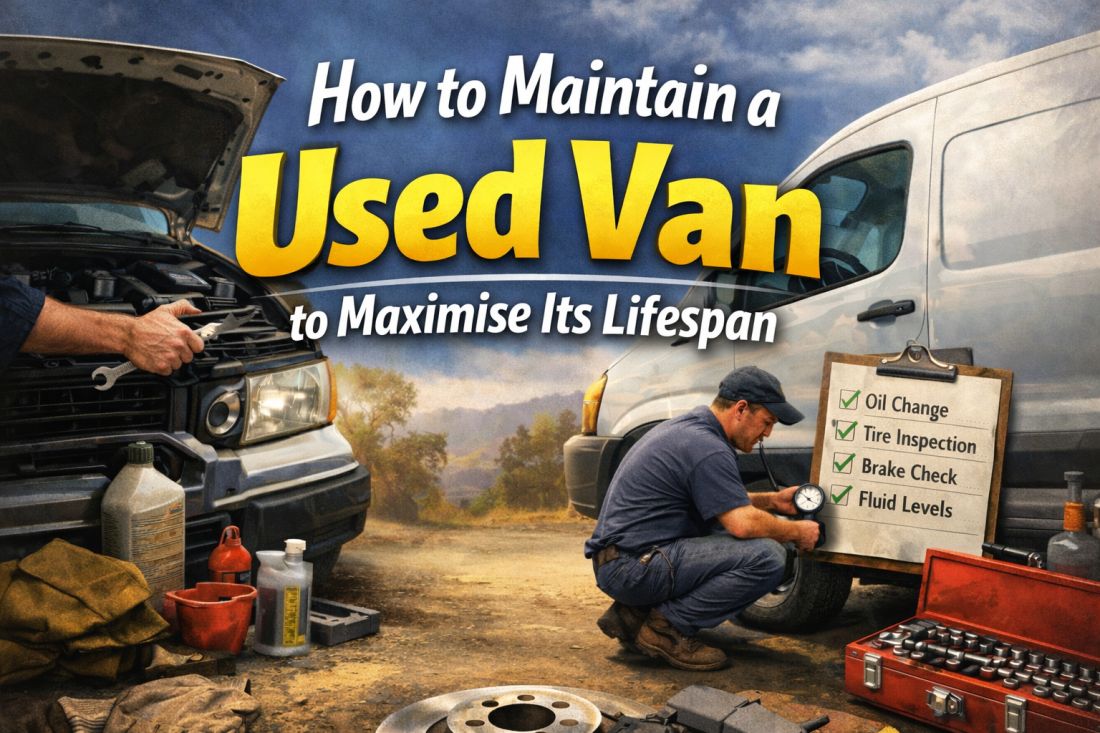
How to Maintain a Used Van to Maximise Its Lifespan
Quick Summary:
If you want to extend the life of your van, focus on consistent van maintenance, routine fluid checks, tyre care, battery and brake inspections, and proactive servicing. Stick to a structured maintenance schedule, carry out essential maintenance checks regularly, avoid engine stress from short journeys, keep the vehicle clean to prevent corrosion, and act early when small issues arise. Whether you drive a compact city van or a long-wheelbase workhorse, disciplined upkeep is the key to reliability, safety, and long-term value.
A used van is more than transport. It is a work partner, a delivery tool, a mobile workshop, sometimes even the backbone of a growing business. Whether you’ve picked up one of our quality used vans or you’re already running a trusted model, knowing how to care for it properly makes all the difference.
This first part of our guide focuses on the foundations: fluids, tyres, routine checks, and the core habits that truly prolong the life of your van.
1. Build a Proper Maintenance Schedule (And Stick to It)
If there’s one principle that underpins everything, it’s this: consistency beats intensity.
You don’t maximise lifespan of van ownership with occasional attention. You do it with:
A structured maintenance schedule
Clear maintenance reminders
Accurate service record tracking
A simple but reliable van maintenance checklist
Regular servicing is not optional. It protects:
Engine performance
Fuel efficiency management
Warranty integrity (where applicable)
Long-term resale value
Whether you drive a dependable Ford van for trade work or a refined Mercedes-Benz van for business deliveries, manufacturer-recommended service intervals exist for a reason.
Skipping one service might save money today. It can cost you thousands tomorrow.
Arranging professional servicing at the right intervals ensures early detection of wear, helps with periodic engine diagnostics, and prevents minor issues becoming major repairs.
2. Master Fluid & Oil Maintenance
Fluids are the lifeblood of your van. Neglect them, and internal components wear faster than you realise.
Essential Fluid Checks
Make it a habit to check fluids regularly, including:
Engine oil
Coolant
Transmission fluid
Steering fluid
Brake fluid
Oil Changes & Regular Oil Checks
Oil lubricates engine components, reduces friction, and regulates temperature. Without regular oil checks and timely oil changes:
Internal engine wear accelerates
Fuel economy drops
Overheating becomes more likely
If you want to genuinely extend the life of your van, treat oil as non-negotiable maintenance.
Coolant Check
A simple coolant check prevents overheating — one of the fastest ways to destroy engine performance. Ensure coolant levels are correct and inspect for leaks around hoses and joints.
3. Tyre Health & Safety: Your Contact With the Road
Tyre maintenance is often underestimated, yet tyres influence:
Safety
Handling
Fuel efficiency
Suspension wear
Braking distance
Whether you're driving a practical Citroën van or a versatile Volkswagen van, tyres endure constant stress.
Weekly Tyre Routine
Check tyre pressure weekly
Inspect for uneven wear
Confirm vehicle tyre tread legal limits
Look for cracks, bulges, or embedded debris
Maintaining correct pressure supports load distribution and protects the drivetrain. Incorrect inflation increases rolling resistance and can shorten tyre lifespan dramatically.
Proper tyre checks are one of the simplest essential maintenance checks you can perform — and one of the most effective.
4. Brake Checks & Battery Checks: Silent Safety Essentials
Your braking system inspection should never be reactive.
Warning signs to watch for:
Squealing or grinding noises
Vibrations when braking
Longer stopping distances
Regular brake checks prevent damage to discs, pads, and calipers. Ignoring them increases repair costs and compromises safety.
Equally important are battery checks. A failing battery often gives subtle warnings:
Sluggish starts
Dimming lights
Dashboard warning indicators
Cold weather intensifies battery strain, so seasonal maintenance tips should include battery inspection before winter.
5. Engine & Component Checks: Listen Before It Fails
Modern vans are durable, but not indestructible. Make it routine to:
Listen for unusual engine sounds
Check components such as filters, belts, and plugs
Monitor engine performance changes
Schedule suspension checks periodically
If you drive a hardworking Peugeot van or a practical Renault van, component wear is inevitable over time — but premature failure is preventable.
Replacing worn parts early protects surrounding systems. For example:
A worn belt can damage internal engine components
A clogged filter reduces fuel efficiency
Neglected suspension issues affect tyre wear and braking
Proactive regular inspection routines save both downtime and money.
6. Driving Habits That Affect Longevity
Mechanical care alone is not enough. How you drive directly impacts how long your van lasts.
Avoid Short Journeys (Engine Stress)
Frequent short trips prevent the engine from reaching optimal operating temperature. This leads to:
Increased internal condensation
Faster oil contamination
Reduced fuel efficiency
Where possible, combine journeys and allow the engine to warm properly.
Manage Load Distribution
Improper weight distribution strains:
Suspension
Tyres
Drivetrain components
Balanced loading protects your vehicle’s structure and contributes to wear & tear prevention.
7. Cleaning, Rust Prevention & Bodywork Protection
A clean van is not just about appearance. It is about corrosion control.
To keep van clean and protected:
Wash regularly, especially in winter
Remove road salt promptly
Dry door seals and hinges
Inspect underbody areas
Moisture protection is essential in the UK climate. Rust spreads quietly, especially around wheel arches and undercarriage components.
Make it routine to inspect bodywork and fix dents or scratches early. Exposed metal accelerates corrosion and can quickly escalate from cosmetic issue to structural concern.
8. Proactive Monitoring: Catch Problems Before They Catch You
The difference between a van that lasts five years and one that lasts fifteen often comes down to attention.
Proactive monitoring isn’t complicated — it’s consistent observation combined with early action.
What to Watch and Listen For
Make it a habit to:
Listen for unusual engine sounds
Notice changes in engine performance
Monitor warning lights immediately
Feel for steering vibration or pulling
Pay attention to braking response
Small irregularities rarely fix themselves. They escalate.
Periodic engine diagnostics — even when no warning light is present — can identify developing issues early. Many faults start as minor sensor readings long before they become mechanical failures.
The earlier you act, the cheaper the repair.
Replacing worn parts at the first signs of fatigue protects surrounding systems. A failing suspension component, for example, can quickly lead to uneven tyre wear and increased braking strain.
9. Electrical Systems & Visibility: Often Overlooked, Always Important
While engines get the spotlight, electrical health determines daily reliability.
Lights and Visibility Checks
Regular lights and visibility checks ensure:
Brake lights function properly
Indicators respond instantly
Headlights provide safe night driving
Fog lights are operational during poor weather
Dull headlights or inconsistent brake lights may seem minor — but they affect safety and legal compliance.
Battery and Charging System Care
We covered battery checks earlier, but consider the broader charging system too:
Alternator performance
Terminal corrosion
Secure wiring
Cold mornings are when weaknesses show. Include battery inspections in your seasonal maintenance tips routine, especially before winter sets in.
10. Documentation & Long-Term Maintenance Planning
Serious van owners treat maintenance like a business process.
A structured approach includes:
Service record tracking
Digital maintenance reminders
A documented van maintenance checklist
Notes on recurring issues
Why does this matter?
Because detailed records:
Increase resale value
Provide evidence of regular servicing
Help mechanics diagnose patterns
Reduce duplicated repair costs
If you’re investing in a quality vehicle — perhaps one financed through our flexible van finance options — protecting that investment with documented care is essential.
A well-maintained van with complete service history will always outperform a neglected one in long-term value.
11. Seasonal Maintenance Adjustments
The UK climate demands adaptability.
Winter Maintenance Focus
Extra coolant check
Battery health verification
Tyre tread depth inspection
Underbody washing for corrosion control
Road salt accelerates rust. Moisture protection becomes critical.
Summer Maintenance Focus
Cooling system inspection
Air filter check
Monitoring tyre pressure fluctuations
Ensuring optimal fuel efficiency management
Temperature extremes stress components differently. Adjusting your maintenance schedule seasonally reduces risk.
12. Suspension & Structural Health
Suspension checks are often delayed because the issues develop gradually.
Watch for:
Knocking sounds over bumps
Uneven tyre wear
Reduced ride comfort
Steering instability
Ignoring suspension wear not only affects comfort — it shortens the lifespan of tyres, steering components, and braking systems.
Proper load distribution also plays a role here. Overloading or uneven cargo placement strains the drivetrain and structural components, accelerating wear.
13. Professional Servicing vs DIY: Knowing the Balance
There’s value in knowing your van. Checking tyre pressure weekly, inspecting fluid levels, and listening for changes builds awareness.
However, arranging professional servicing ensures:
Accurate diagnostics
Specialist tools and expertise
Manufacturer-specific checks
Safe brake system inspections
If you’re driving one of our quality vehicles — whether sourced from our broader selection at Carlton Motor Co or chosen from our diverse multi-brand stock — combining owner vigilance with expert care is the smartest route to longevity.
14. Protecting Resale Value While Maximising Lifespan
Maintenance isn’t just about avoiding breakdowns. It’s about:
Preserving engine performance
Maintaining fuel economy
Preventing corrosion
Ensuring compliance with vehicle tyre tread legal limits
Demonstrating consistent regular servicing
A van that has followed essential maintenance checks and proactive inspection routines retains:
Stronger trade-in value
Greater buyer confidence
Reduced downtime costs
When you maximise lifespan of van ownership through disciplined care, you also protect long-term financial return.
15. Advanced Longevity Strategies: Thinking Beyond Basic Maintenance
By now, you’ve covered the fundamentals — fluids, tyres, brakes, documentation, seasonal care. But if your goal is truly prolonging the life of your van, you need to think a level deeper.
This is where disciplined ownership separates average lifespan from exceptional lifespan.
Periodic Deep Inspections
Beyond routine checks, schedule occasional comprehensive inspections that include:
Full braking system inspection
Suspension geometry assessment
Detailed underbody corrosion control
Exhaust system checks
Steering alignment evaluation
These deeper inspections identify slow-developing wear patterns that regular day-to-day checks may miss.
Longevity is rarely about dramatic failures. It’s about managing gradual decline.
16. Managing Wear & Tear Like a Professional Operator
Every van experiences wear. The goal isn’t to eliminate it — it’s to control it.
Replacing Worn Parts Strategically
Avoid the temptation to “run parts into the ground.” Replacing worn parts slightly early often prevents:
Secondary component damage
Unexpected downtime
Emergency repair costs
For example:
Replacing brake pads early protects discs.
Addressing suspension wear prevents uneven tyre wear.
Changing filters promptly protects engine performance.
This approach supports the broader goal of van maintenance as a preventative strategy rather than a reactive one.
17. Protecting the Drivetrain Through Smart Usage
Your drivetrain absorbs enormous stress, especially in working vans.
To extend the life of your van’s mechanical core:
Avoid aggressive acceleration
Reduce harsh braking
Maintain balanced load distribution
Avoid consistently overloading
Improper loading doesn’t just affect suspension. It impacts:
Gearbox longevity
Transmission fluid condition
Differential wear
Steering system strain
Fuel efficiency management also improves when you drive smoothly and responsibly — saving money while reducing mechanical stress.
18. Bodywork, Presentation & Long-Term Structural Health
Earlier, we covered rust prevention and moisture protection. Now let’s look at presentation as a strategic asset.
A van with clean bodywork, repaired dents, and controlled corrosion:
Retains stronger resale value
Projects professionalism
Prevents structural degradation
Make it standard practice to:
Inspect bodywork & fix dents or scratches quickly
Apply protective coatings where needed
Wash regularly, especially after motorway driving
Corrosion spreads invisibly beneath paintwork. Preventative corrosion control protects chassis integrity and long-term safety.
19. The Role of Regular Inspection Routines
Create a repeatable rhythm for checks. For example:
Weekly
Check tyre pressure weekly
Inspect tread depth
Look for fluid leaks
Monthly
Check fluids and fluid levels
Perform battery checks
Review lights and visibility checks
Quarterly
Inspect suspension components
Evaluate brake condition
Review service record tracking
Annually
Comprehensive professional servicing
Full diagnostics
Review of maintenance schedule adjustments
This structured approach transforms maintenance from reactive repair into predictable planning.
20. When to Upgrade Instead of Repair
There comes a point where maintenance shifts from sensible investment to diminishing return.
Signs it may be time to consider upgrading:
Recurring major repairs
Significant corrosion
Escalating downtime
Decreasing fuel efficiency
High annual repair costs compared to value
If that time comes, upgrading doesn’t mean compromising on quality. A carefully selected replacement from a trusted multi-brand dealer ensures continuity and reliability.
21. The Bigger Picture: Maintenance as Business Strategy
For many owners, a van is a revenue generator.
Downtime equals lost income.
Consistent essential maintenance checks, timely oil changes, structured servicing, and careful driving habits protect more than mechanical parts — they protect productivity.
Whether your vehicle is used for trade, delivery, logistics, or mobile services, disciplined maintenance planning ensures:
Predictable operating costs
Improved reliability
Stronger long-term asset value
Reduced emergency repair expenses
That is how you truly maximise lifespan of van ownership.
Conclusion: Longevity Is Built, Not Hoped For
Understanding how to care for your vehicle properly means embracing van maintenance as an ongoing process — not an occasional task.
From:
Regular oil checks
Coolant and transmission fluid monitoring
Brake checks and battery inspections
Suspension checks
Seasonal maintenance tips
Professional servicing
To:
Smart driving habits
Load management
Corrosion prevention
Documentation and planning
Every decision compounds.
When approached methodically, maintaining a used van is not difficult — it is disciplined. And discipline, over years, is what allows you to truly maximise lifespan, preserve value, and keep your van performing exactly as it should.
Because longevity isn’t luck.
It’s maintenance done right.
Frequently Asked Questions: How to Maintain a Used Van to Maximise Its Lifespan
Below are 10 commonly asked questions that go beyond the main guidance covered above, helping you build a deeper, smarter approach to long-term van ownership.
1. How often should a used van have a full service rather than just an interim service?
A full service is typically recommended once a year or every 12,000–15,000 miles, depending on manufacturer guidance and usage intensity. High-mileage commercial use may require more frequent full inspections. Interim services are useful between major intervals, but they should not replace comprehensive annual servicing.
2. Does high mileage automatically mean a shorter lifespan?
Not necessarily. A high-mileage van with excellent service record tracking and consistent regular servicing can outlast a low-mileage vehicle that has been poorly maintained. Mechanical condition and documented care matter more than the odometer alone.
3. What is the biggest cause of premature engine failure in used vans?
Neglected oil changes and low fluid levels are among the most common causes. Skipping oil changes, ignoring coolant checks, and failing to monitor engine performance can accelerate internal wear significantly.
4. Should I use genuine manufacturer parts or aftermarket parts?
Genuine parts are designed specifically for your vehicle and often provide optimal compatibility and reliability. However, high-quality aftermarket parts from reputable brands can also perform well. The key is avoiding low-grade components that compromise durability.
5. Can frequent motorway driving extend a van’s lifespan?
Yes, steady motorway driving at consistent speeds can be less stressful on the engine compared to repeated short journeys and stop-start urban driving. Engines perform best when reaching and maintaining proper operating temperature.
6. How does idling affect a van’s longevity?
Excessive idling increases fuel consumption and can lead to carbon build-up inside the engine. Over time, this may impact efficiency and internal components. Limiting unnecessary idling helps protect engine health.
7. Is undersealing worth it for rust prevention?
In many cases, yes. Professional undersealing can enhance corrosion control, especially in regions with heavy rainfall or winter road salt. It acts as an added layer of moisture protection for the chassis and underbody.
8. How important is wheel alignment for long-term maintenance?
Wheel alignment directly affects tyre wear, steering stability, and suspension stress. Poor alignment can cause uneven tyre wear and reduce fuel efficiency. Having alignment checked periodically supports tyre maintenance and overall vehicle balance.
9. Should I warm up my van before driving?
Modern engines do not require extended warm-up periods. Instead, drive gently for the first few minutes to allow oil to circulate properly. Aggressive acceleration while the engine is cold increases wear.
10. What records should I keep to protect resale value?
Maintain detailed documentation including:
Service invoices
MOT certificates
Records of replacing worn parts
Notes on periodic engine diagnostics
Evidence of essential maintenance checks
Complete documentation builds buyer confidence and demonstrates responsible ownership, helping preserve long-term value.